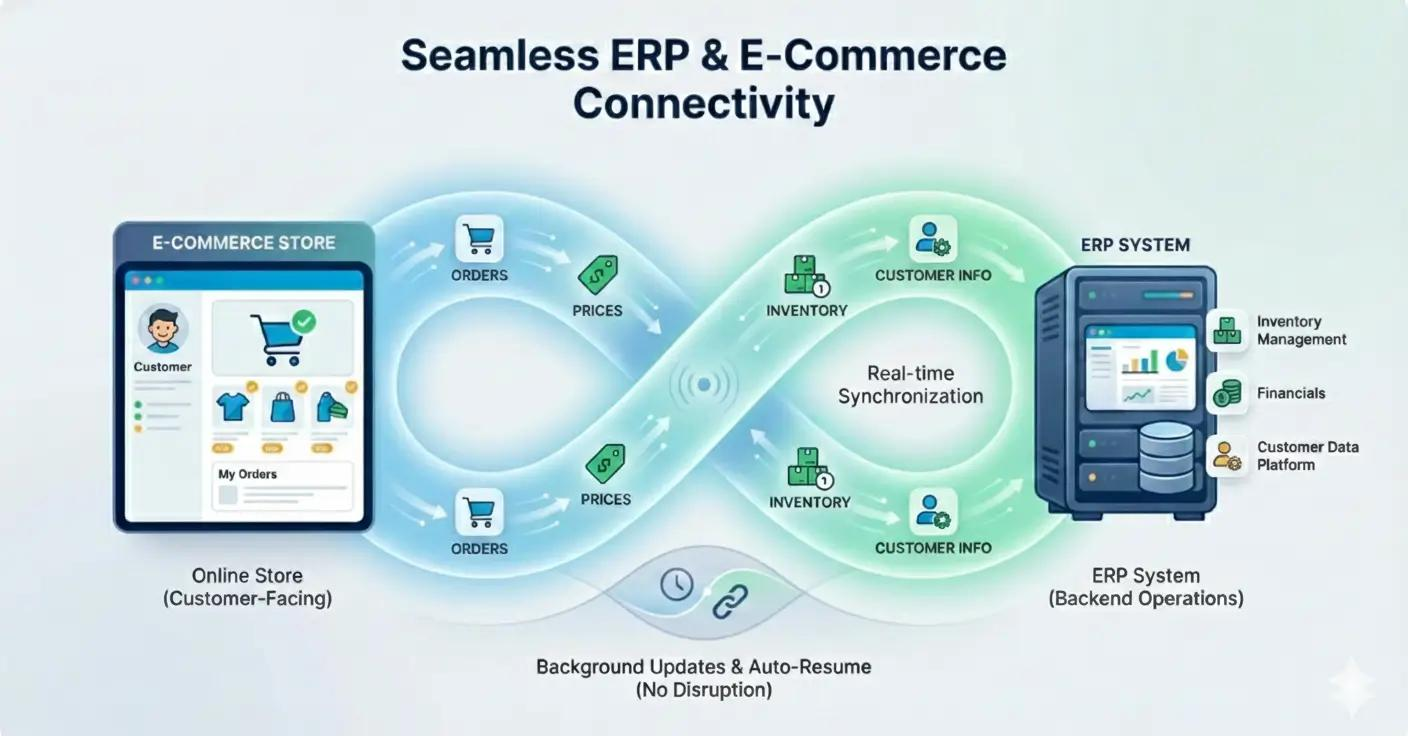
Your eCommerce store may be losing time and accuracy because your systems aren't communicating properly. From inventory mismatches and delayed orders to repeated data entry and inconsistent reports, small integration issues can quickly become operational problems. In this blog, we’ll cover "7 common signs of an eCommerce integration problem" and what businesses can do to improve data flow between their eCommerce platform, ERP, POS, warehouse, and other systems.
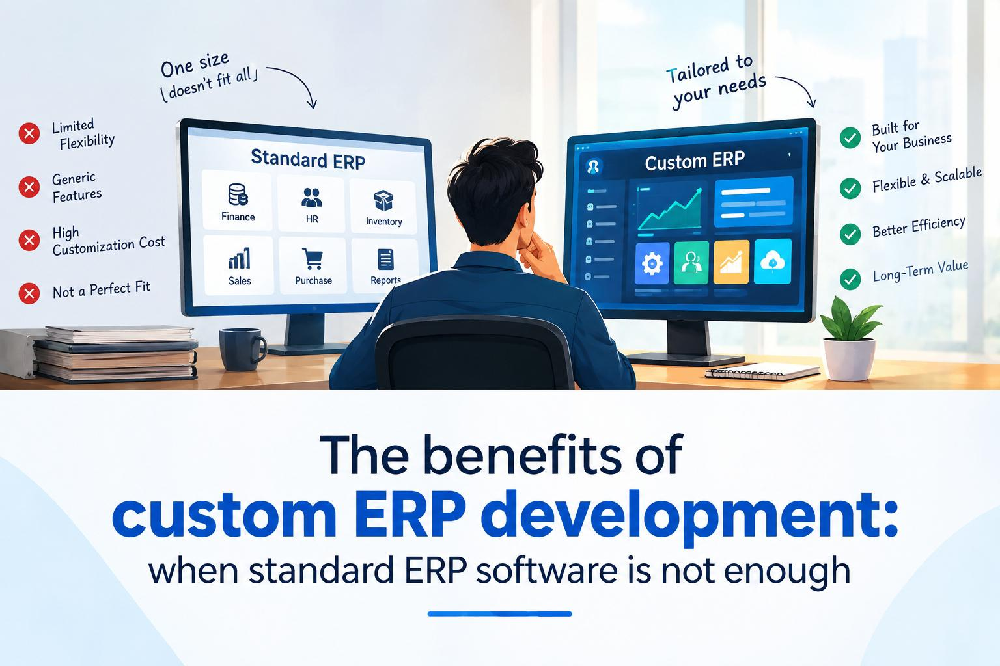
Standard ERP software works well when your business follows standard processes. But as operations become more complex, rigid workflows, limited integrations, and manual workarounds can start slowing your team down. Custom ERP development gives you a system built around how your business actually operates—connecting processes, data, and teams in one place while giving you the flexibility to grow.
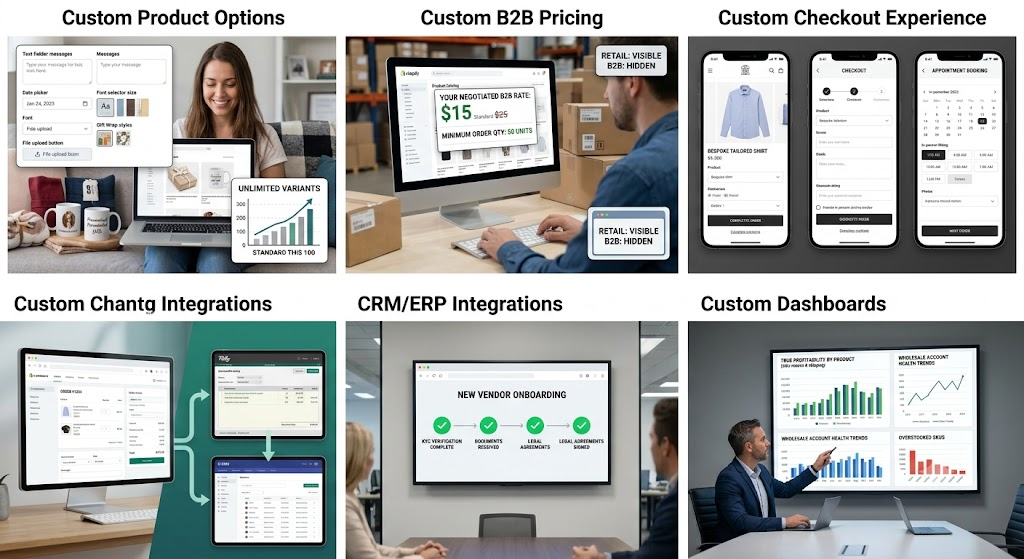
As your Shopify store grows, the platform can start to feel less flexible than your business needs. Simple workarounds may solve problems temporarily, but they can also create extra manual work, customer friction, and missed sales opportunities. From product personalization and B2B pricing to custom checkout, ERP integrations, automation, and advanced reporting, the right custom features can remove these limitations and make your Shopify store work around your business—not the other way around.