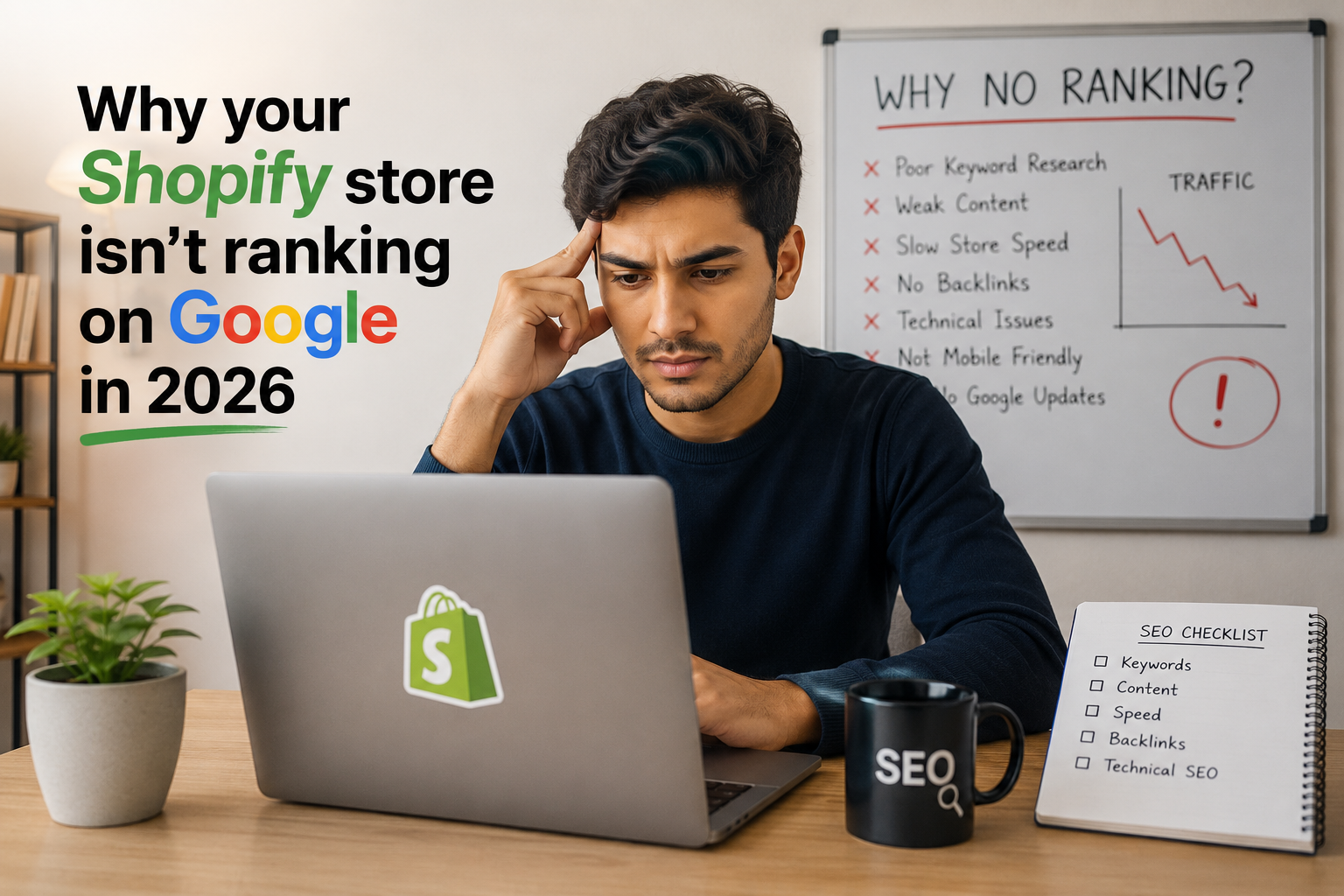
In 2026, ranking a Shopify store on Google requires more than just launching an online store. Factors like technical SEO, high-quality content, site speed, mobile optimization, user experience, and Google's evolving search algorithms all play a critical role. This guide explores the most common reasons your Shopify store isn't ranking and provides practical strategies to improve your search visibility and drive more organic traffic.
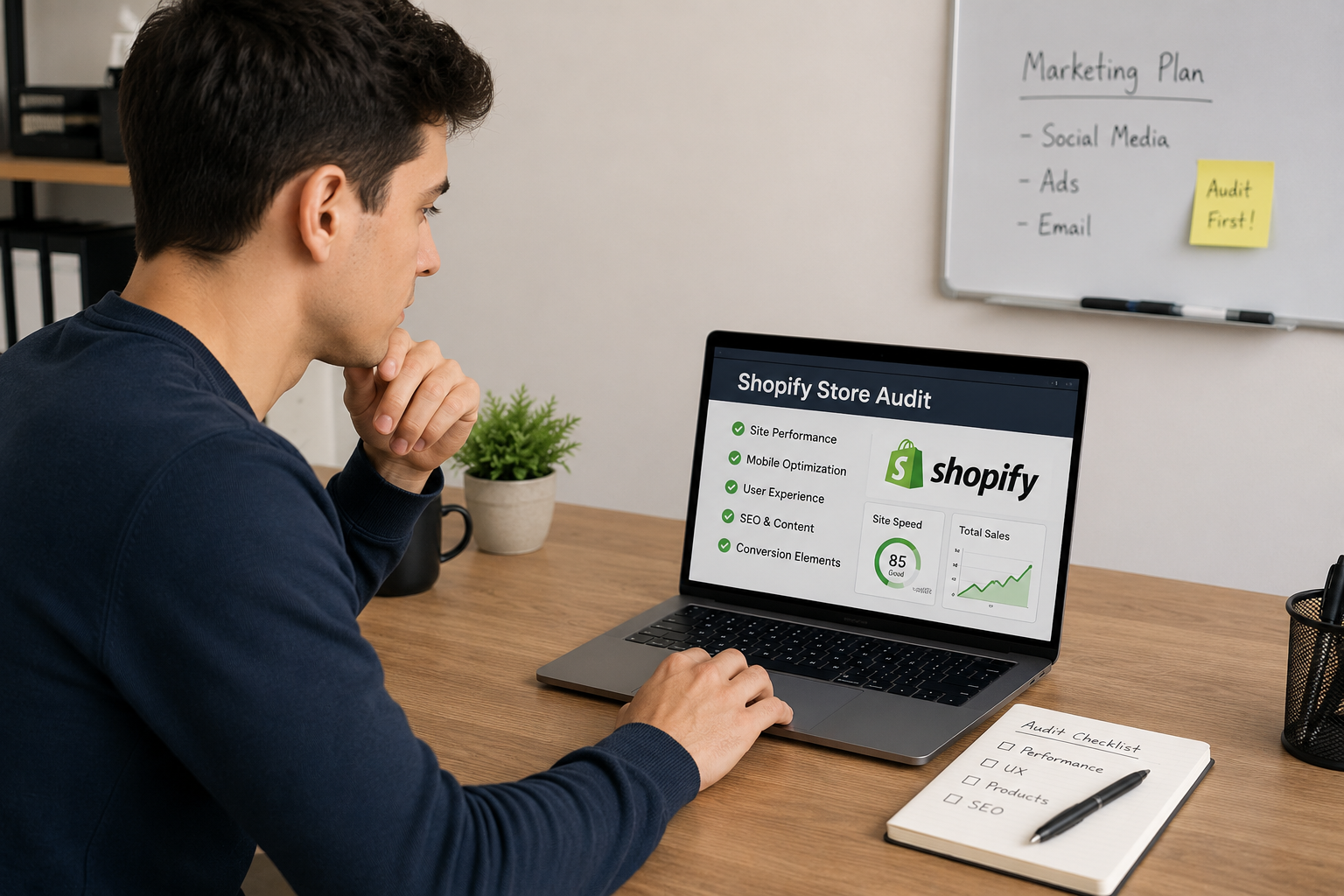
Before investing in paid marketing, it's essential to ensure your Shopify store is fully optimized for conversions. A comprehensive store audit helps identify issues with site performance, user experience, SEO, product pages, and the checkout process. In this blog, we'll cover the key areas every Shopify merchant should review to maximize marketing ROI and drive better sales results.
Many Shopify apparel stores struggle with customers who add products to their carts but never complete the purchase. Hidden costs, complicated checkouts, sizing concerns, and limited payment options often create hesitation at the final step. Identifying and addressing these barriers can help brands reduce cart abandonment, improve conversions, and recover lost revenue.
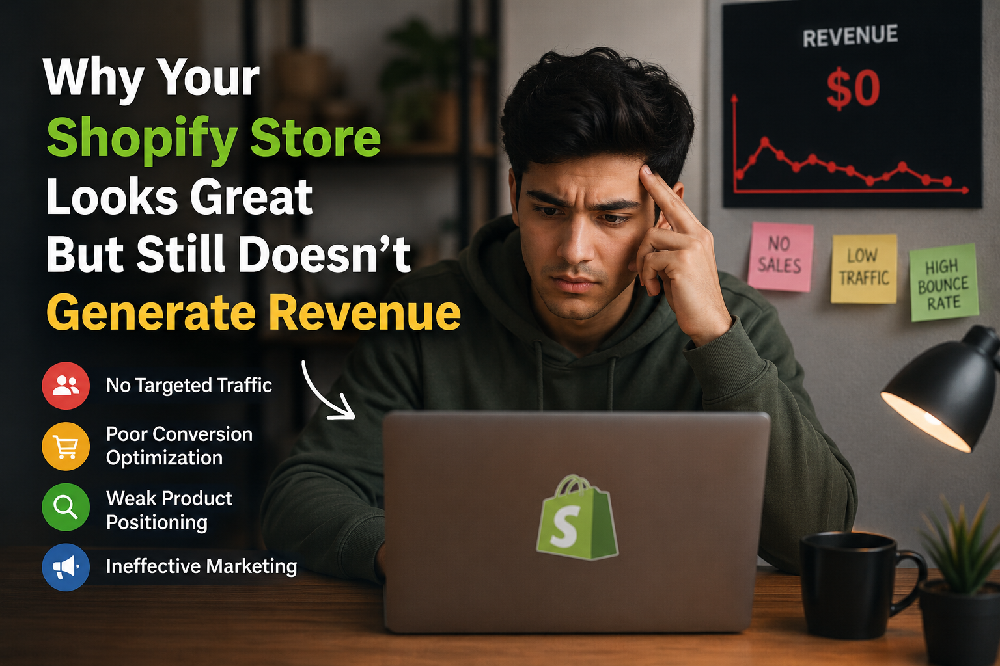
A visually appealing Shopify store is only one part of building a successful eCommerce business. Many stores have beautiful designs but struggle to convert visitors into paying customers due to issues like poor user experience, weak product positioning, slow page speed, lack of trust signals, ineffective marketing, or a complicated checkout process. Understanding what happens after a visitor lands on your store is the key to turning traffic into consistent revenue and sustainable growth.
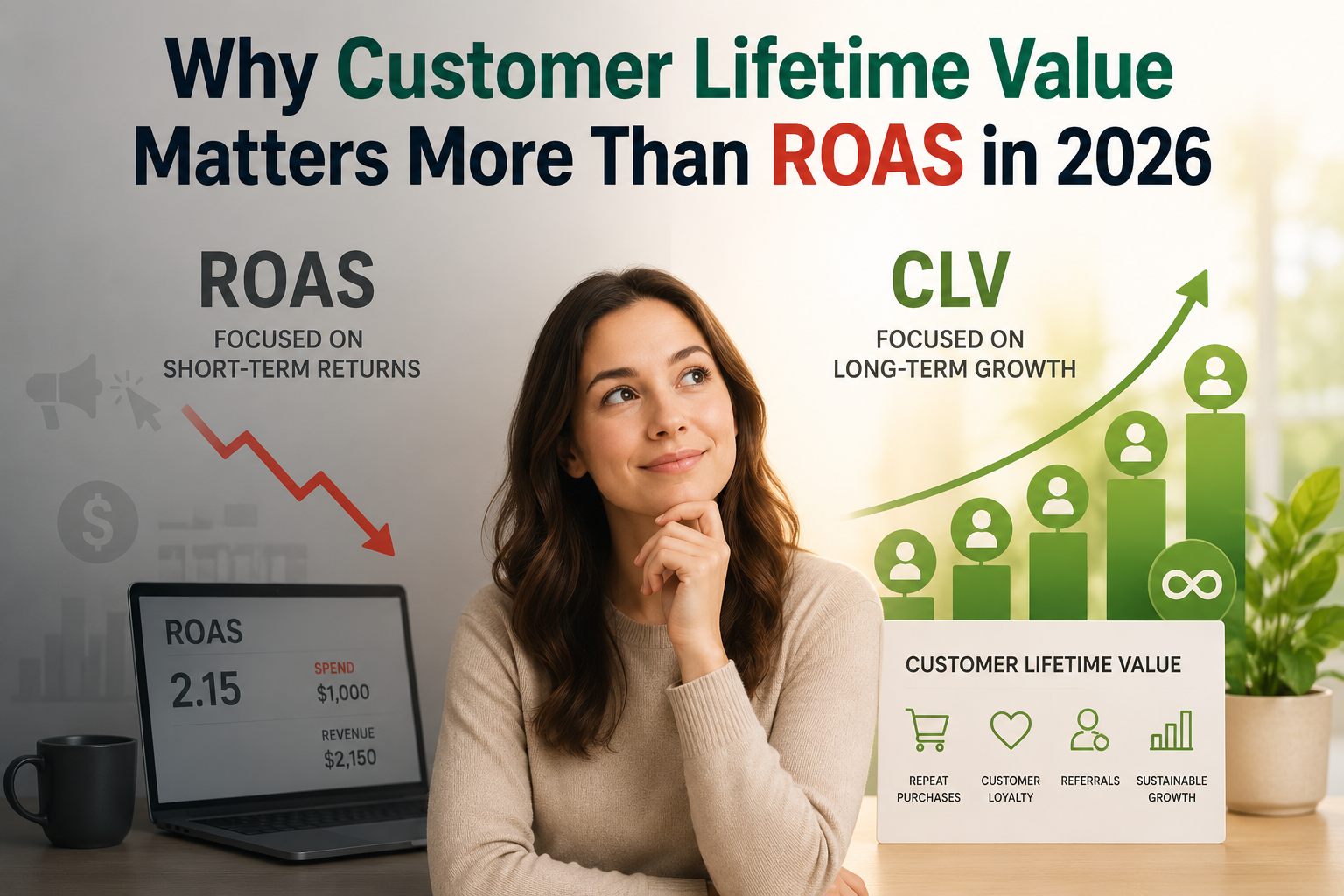
In today’s competitive eCommerce landscape, focusing only on short-term returns like ROAS is no longer enough to build a sustainable business. While ROAS measures how effectively your ads generate immediate revenue, it fails to capture the bigger picture how valuable a customer is over time. Customer Lifetime Value (CLV) shifts the focus from one-time transactions to long-term relationships, helping brands understand the true worth of each customer. By prioritizing CLV, businesses can make smarter decisions around marketing, retention, and customer experience, ultimately driving consistent growth and profitability in 2026 and beyond.