As your eCommerce business grows, managing orders, inventory, accounting, and customer data manually becomes increasingly complex. In this blog, you'll discover why ERP integration is essential in 2026, how it eliminates manual processes, improves operational efficiency, provides real-time business insights, and helps growing businesses scale faster with fewer errors and better customer experiences.
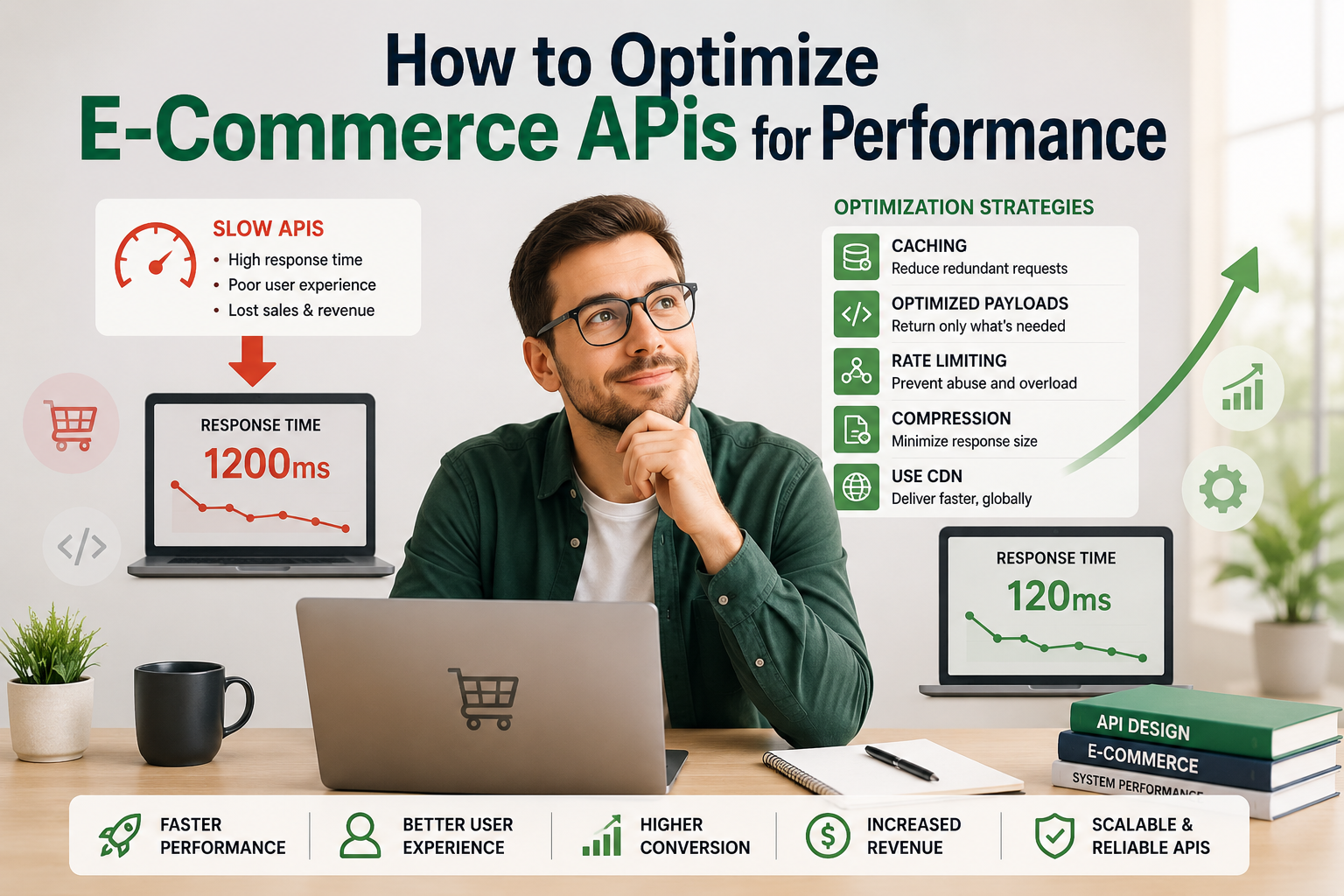
Your customers may never see your APIs, but they feel their impact every time a page loads slowly, a payment takes too long, or an order update gets delayed. In today’s competitive e-commerce landscape, speed is directly connected to customer satisfaction, conversions, and brand loyalty. A fast and responsive platform keeps shoppers engaged, while slow APIs quietly drive them away.
Checkout abandonment is one of the biggest challenges in eCommerce, directly impacting revenue and customer acquisition ROI. Behavioral analytics helps businesses understand exactly how users interact with their checkout process by tracking clicks, scrolling patterns, session recordings, and form behavior. Instead of making assumptions, store owners can identify friction points such as confusing layouts, slow load times, unnecessary form fields, and trust issues that prevent customers from completing purchases. By using behavioral insights, eCommerce brands can optimize checkout experiences, reduce cart abandonment, and significantly improve conversion rates.
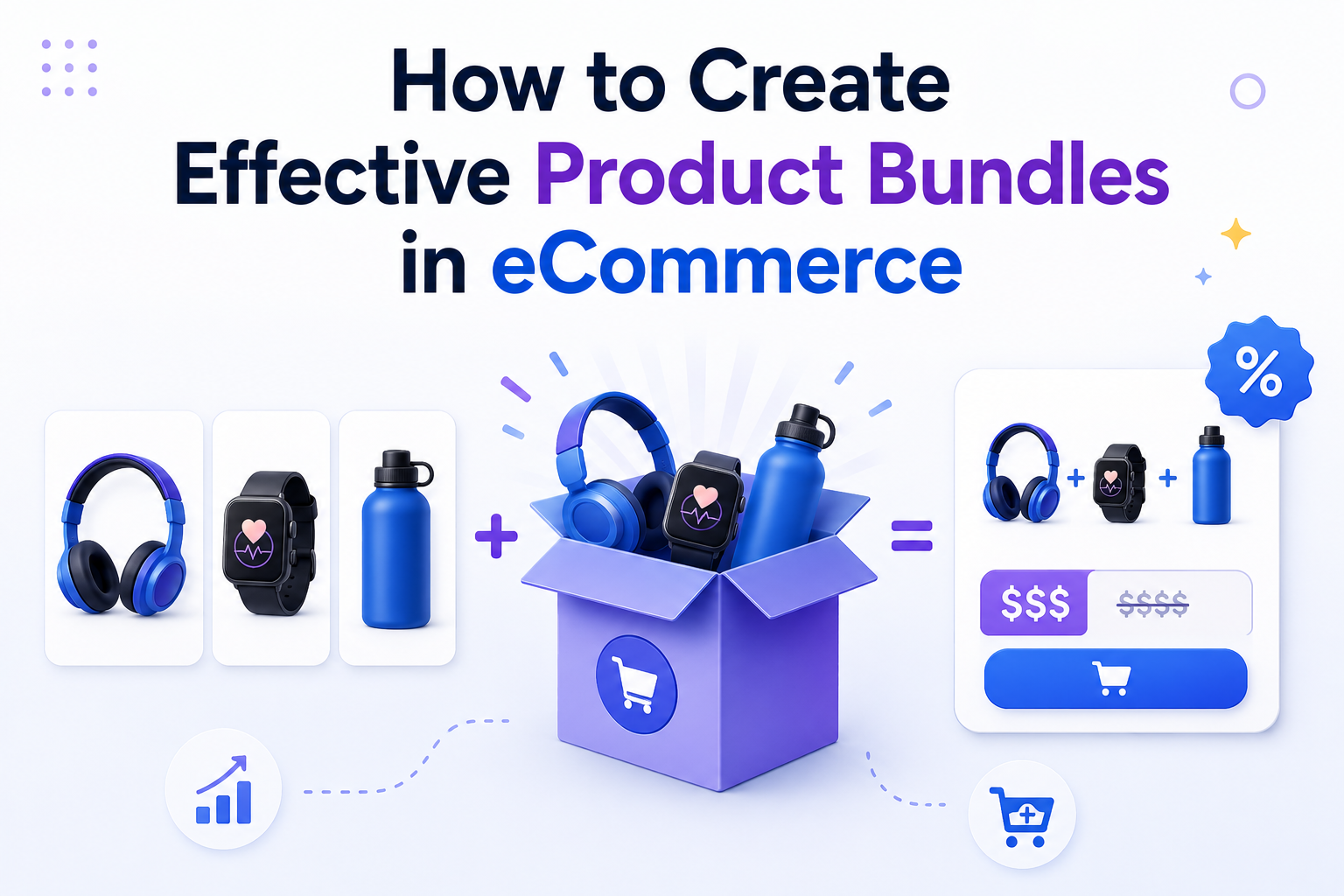
Creating effective product bundles in eCommerce is a strategic approach to increasing Average Order Value (AOV), improving customer experience, and driving higher conversions without relying on heavy discounts. Instead of selling products individually, smart bundling groups complementary items together to solve a complete need, reduce decision fatigue, and increase perceived value. When designed around real customer behavior and buying intent, product bundles encourage customers to explore more of your catalog, spend more per order, and feel confident in their purchase. This guide will walk you through proven methods, bundle types, and practical steps to help you build bundles that are valuable, relevant, and profitable.
This article opens with a powerful truth: every click, scroll, and second of hesitation online is either a step toward conversion or a step away from it. Great UX isn’t decoration — it’s persuasion in motion. The blog presents eight proven, psychology-driven UX strategies that consistently increase conversion rates for online retailers.
Are you considering the best tech foundation for your online store? This blog explores the powerful advantages of using open-source eCommerce platforms like WooCommerce, Magento, and nopCommerce. Learn how forward-thinking brands gain full control, endless customization, lower costs, and the flexibility to scale at their own pace. Real-world examples and expert insights will help you decide if open-source is the right fit for your growth goals.