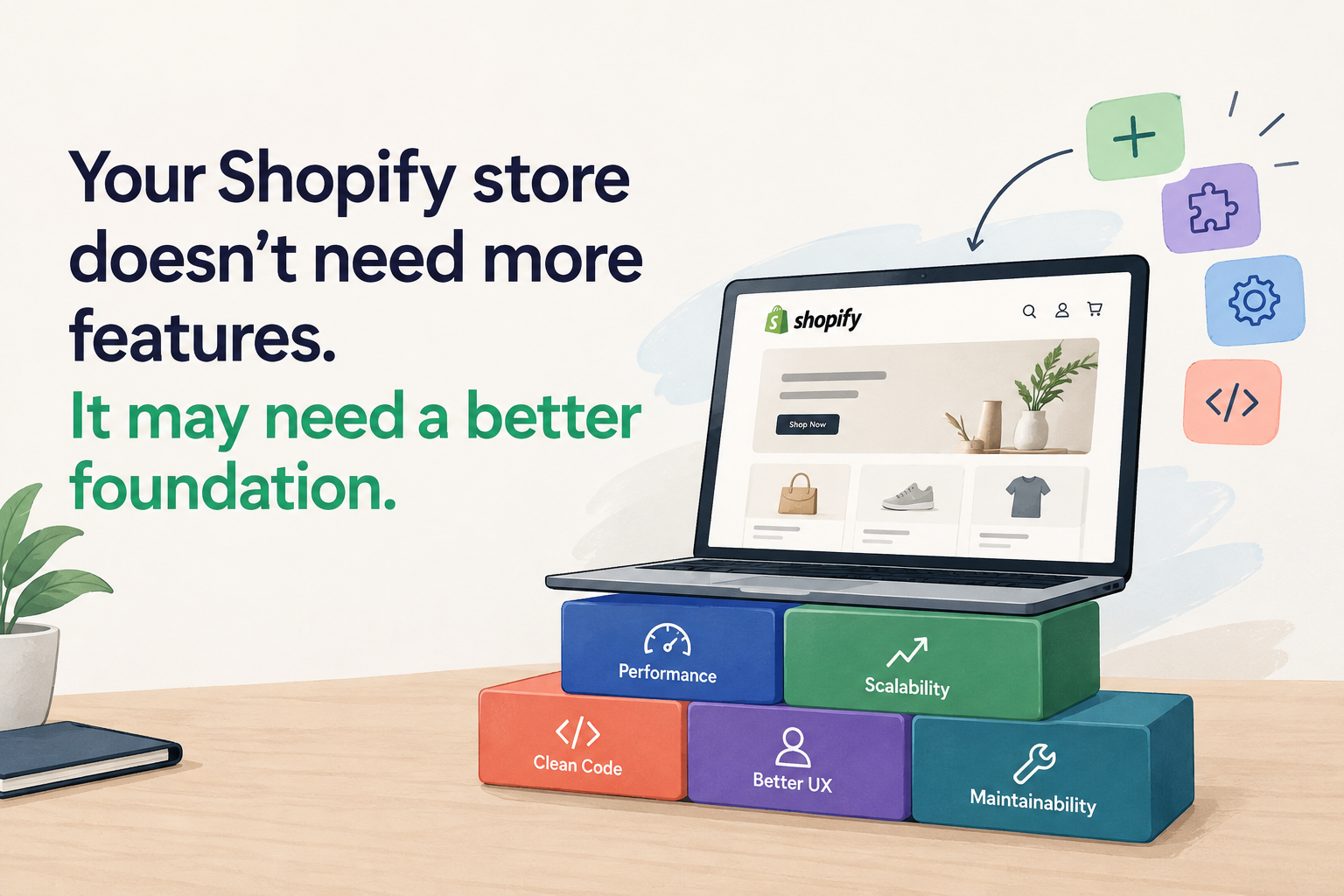
Many Shopify stores don't become difficult because Shopify is limiting them. They become difficult because years of apps, customisations, quick fixes, and new requirements have slowly made the store harder to manage and improve. Before adding another feature or starting a redesign, it's worth looking at the foundation first. This article explores the signs your Shopify store may have outgrown its current setup and when to optimise, redesign, or rebuild.
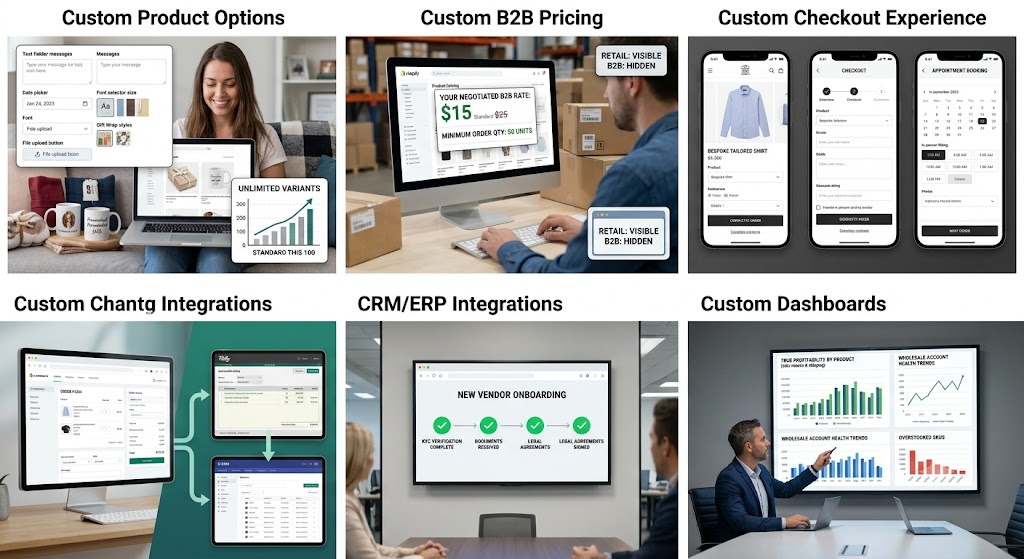
As your Shopify store grows, the platform can start to feel less flexible than your business needs. Simple workarounds may solve problems temporarily, but they can also create extra manual work, customer friction, and missed sales opportunities. From product personalization and B2B pricing to custom checkout, ERP integrations, automation, and advanced reporting, the right custom features can remove these limitations and make your Shopify store work around your business—not the other way around.
Apparel shoppers can’t touch the fabric or try on clothes before buying, so your product page needs to answer those questions clearly. When details about fit, fabric, sizing, and real customer experience are missing, even interested shoppers may hesitate and leave.
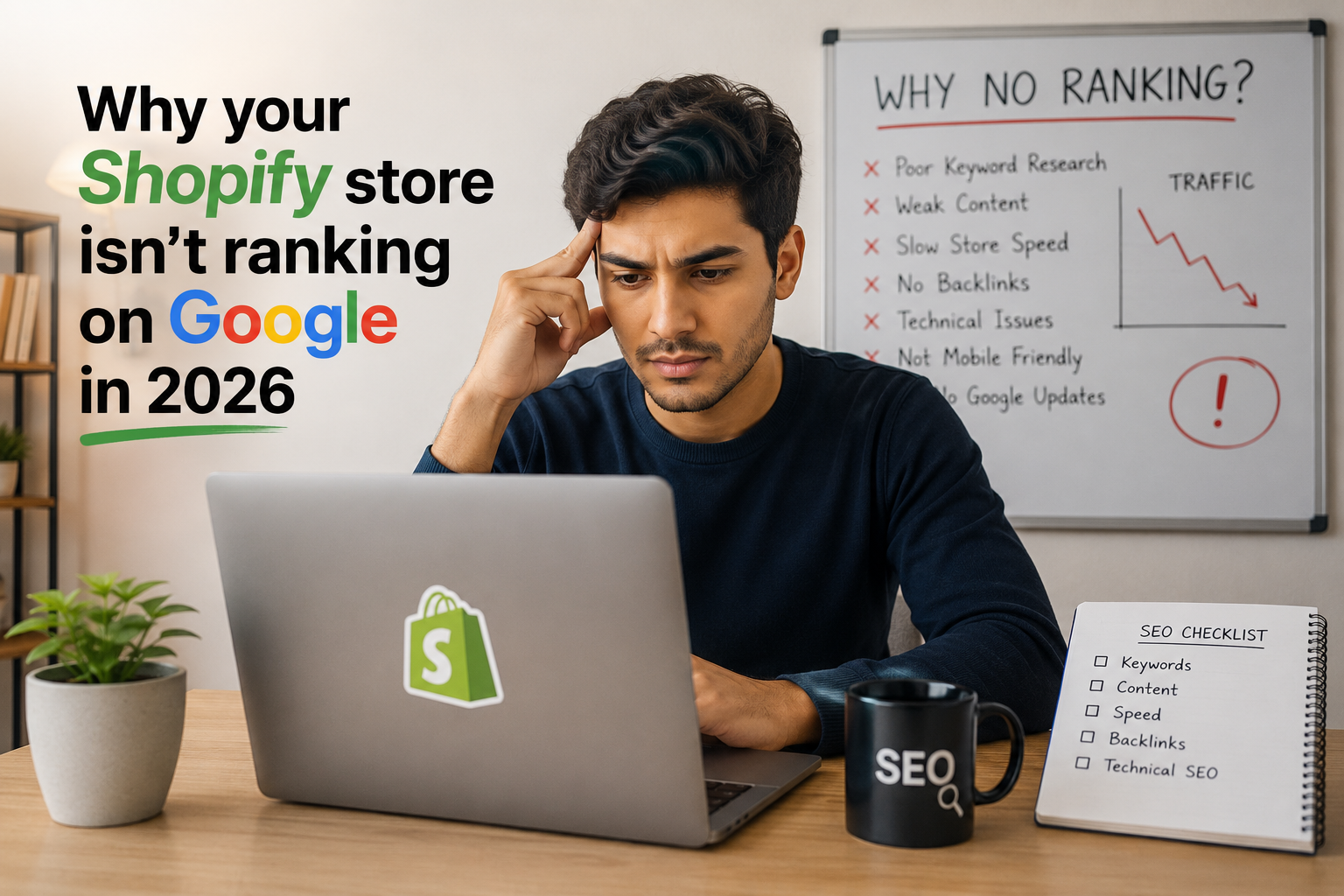
In 2026, ranking a Shopify store on Google requires more than just launching an online store. Factors like technical SEO, high-quality content, site speed, mobile optimization, user experience, and Google's evolving search algorithms all play a critical role. This guide explores the most common reasons your Shopify store isn't ranking and provides practical strategies to improve your search visibility and drive more organic traffic.
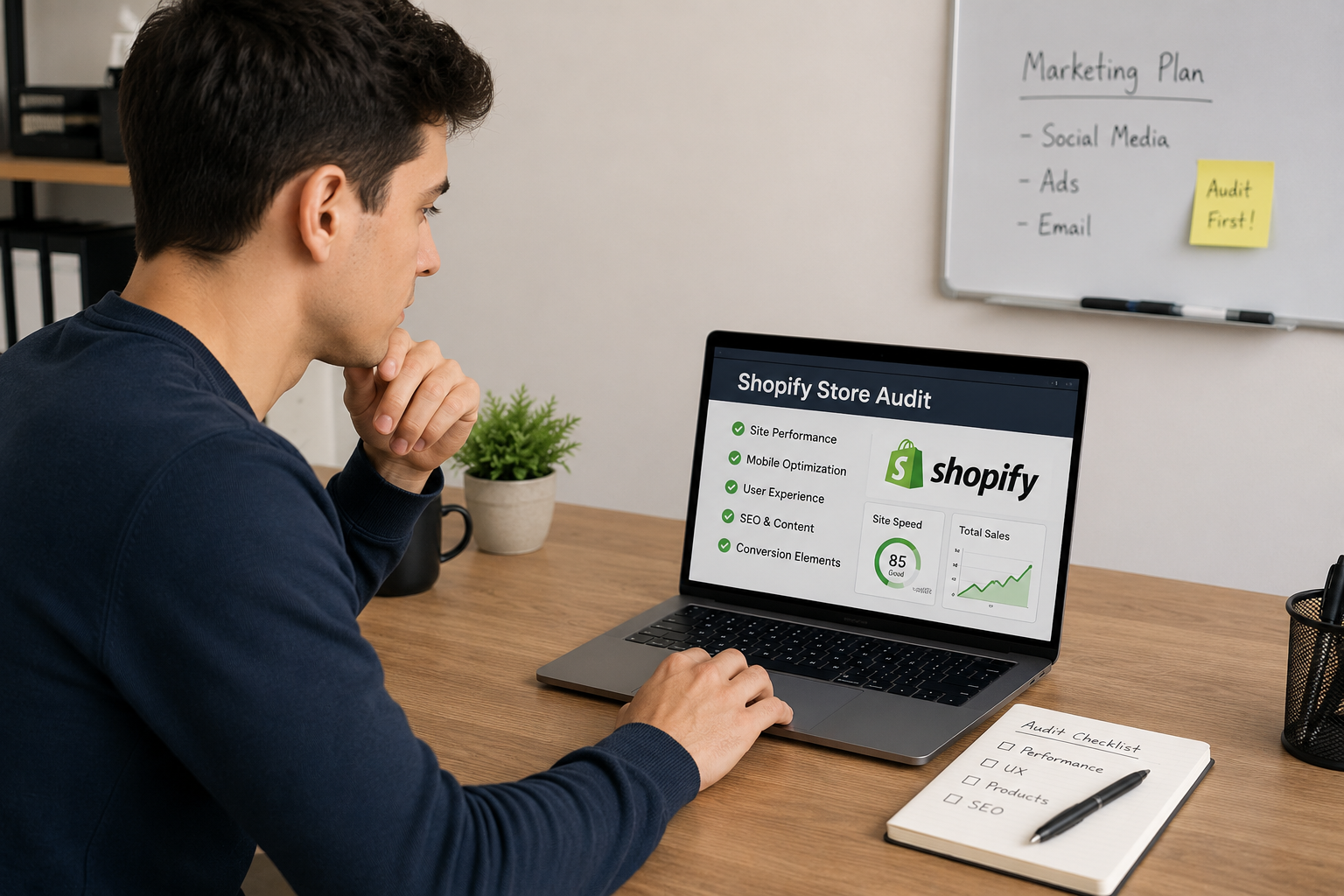
Before investing in paid marketing, it's essential to ensure your Shopify store is fully optimized for conversions. A comprehensive store audit helps identify issues with site performance, user experience, SEO, product pages, and the checkout process. In this blog, we'll cover the key areas every Shopify merchant should review to maximize marketing ROI and drive better sales results.
Many Shopify apparel stores struggle with customers who add products to their carts but never complete the purchase. Hidden costs, complicated checkouts, sizing concerns, and limited payment options often create hesitation at the final step. Identifying and addressing these barriers can help brands reduce cart abandonment, improve conversions, and recover lost revenue.
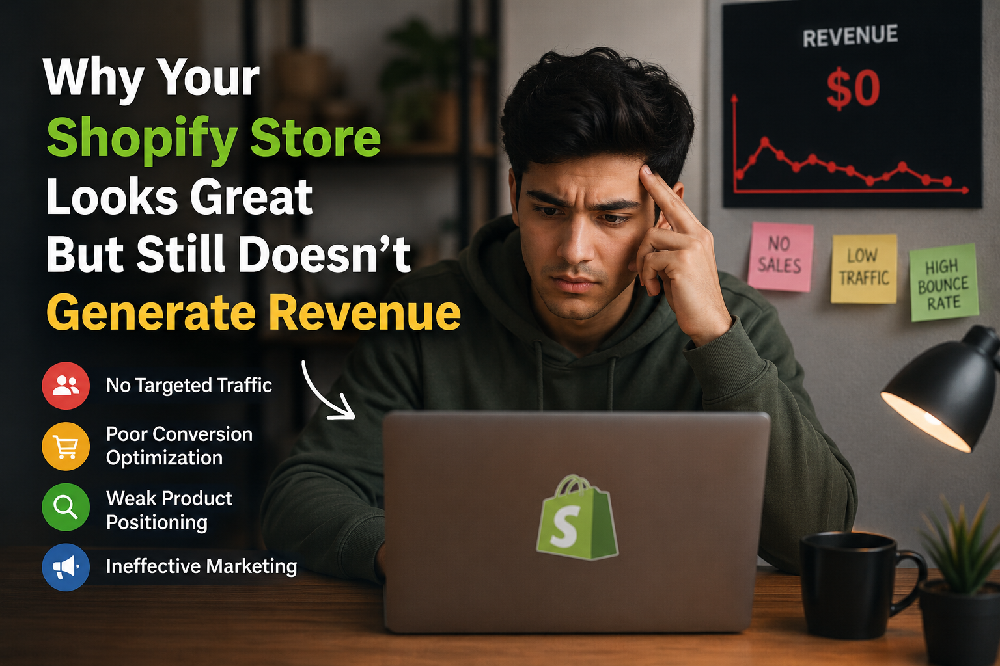
A visually appealing Shopify store is only one part of building a successful eCommerce business. Many stores have beautiful designs but struggle to convert visitors into paying customers due to issues like poor user experience, weak product positioning, slow page speed, lack of trust signals, ineffective marketing, or a complicated checkout process. Understanding what happens after a visitor lands on your store is the key to turning traffic into consistent revenue and sustainable growth.
Fashion and apparel brands are moving from WooCommerce to Shopify in 2026 because scaling a modern eCommerce business now requires more than just flexibility it requires speed, stability, and operational simplicity. As mobile traffic, multi-channel selling, and peak-season demand continue to grow, many apparel brands are finding WooCommerce increasingly difficult and expensive to maintain at scale. Shopify offers faster mobile performance, a more reliable checkout experience, easier infrastructure management, and a stronger ecosystem for inventory, payments, and integrations. For growing fashion brands, the shift is less about following trends and more about building a platform that supports long-term growth without constant technical overhead.
Discover how Shopify brands can increase repeat purchases and improve customer retention in 2026. This blog explains why customers don’t return to most online stores and shares practical strategies such as personalization, loyalty programs, mobile optimization, post-purchase experience improvements, and checkout enhancements to turn first-time buyers into loyal repeat customers.




-blog.png)